Neem & Tea Tree Body & Hair Shampoo
$4.10 - $11.95
- Out Of Stock
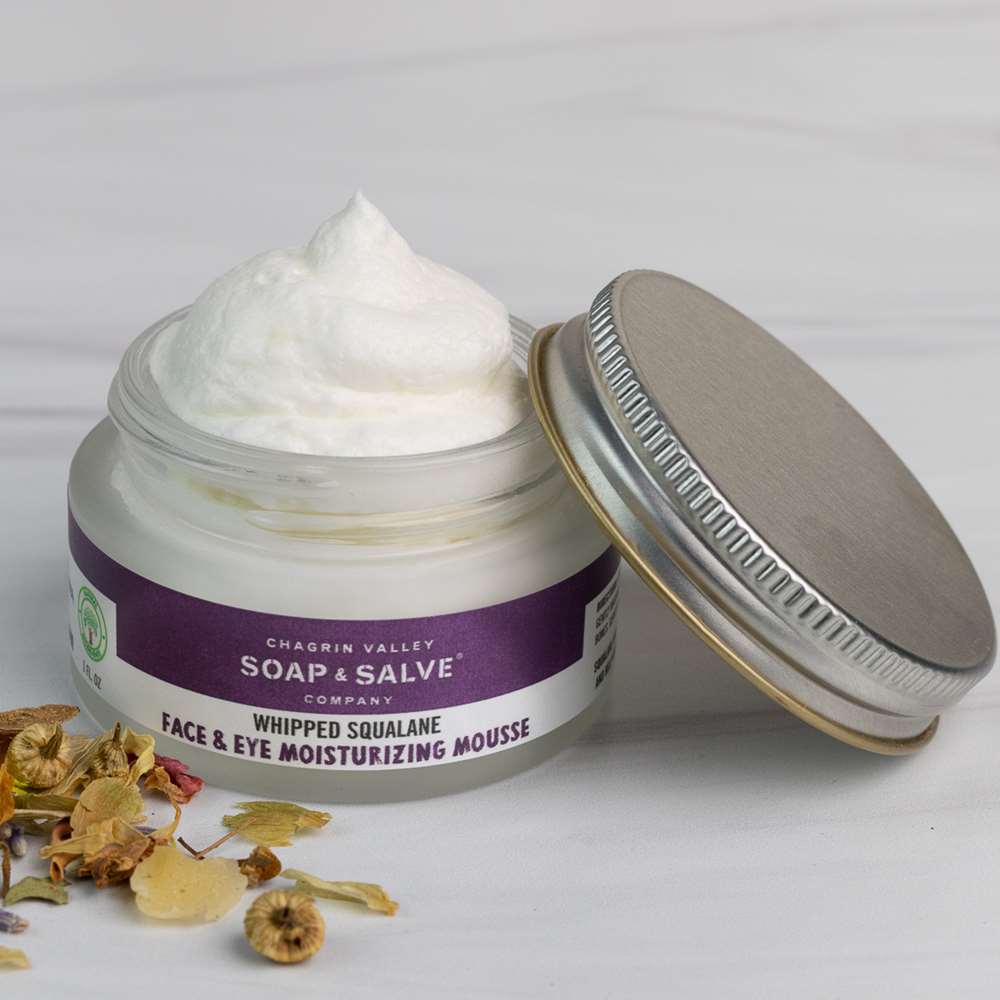
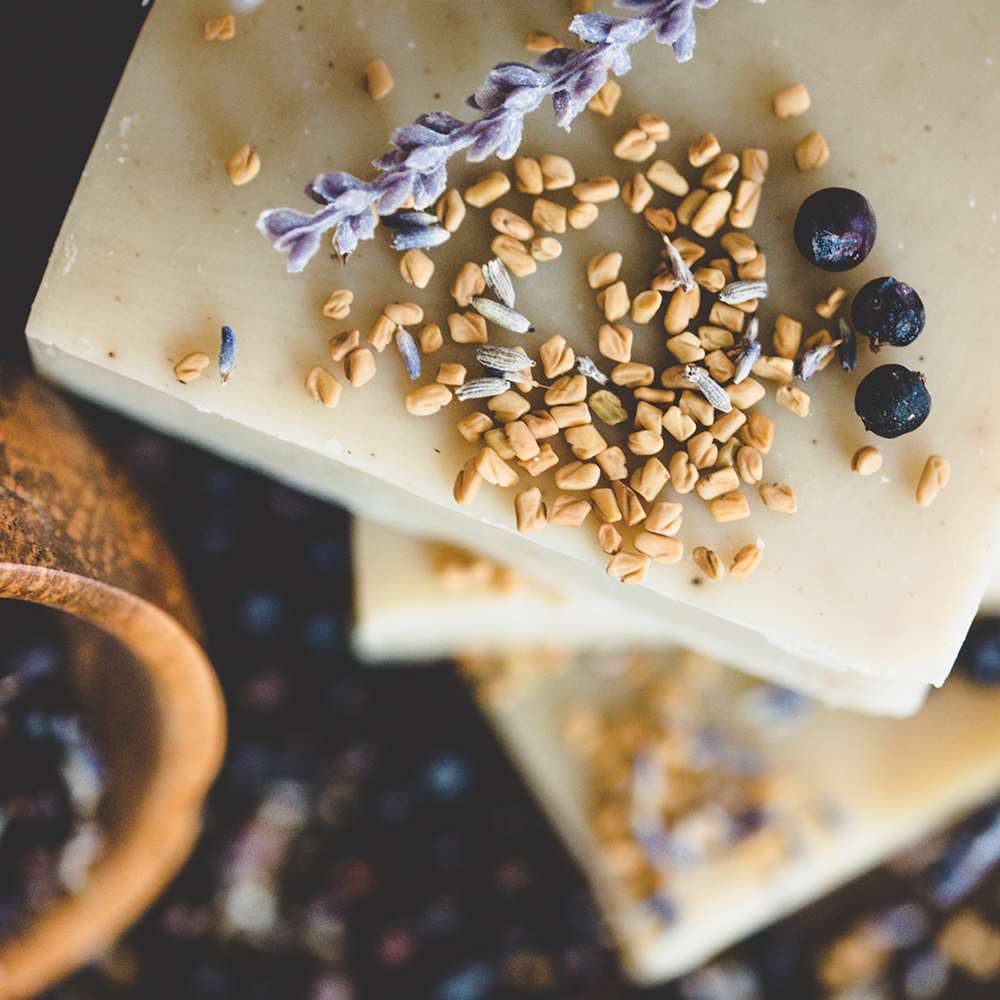
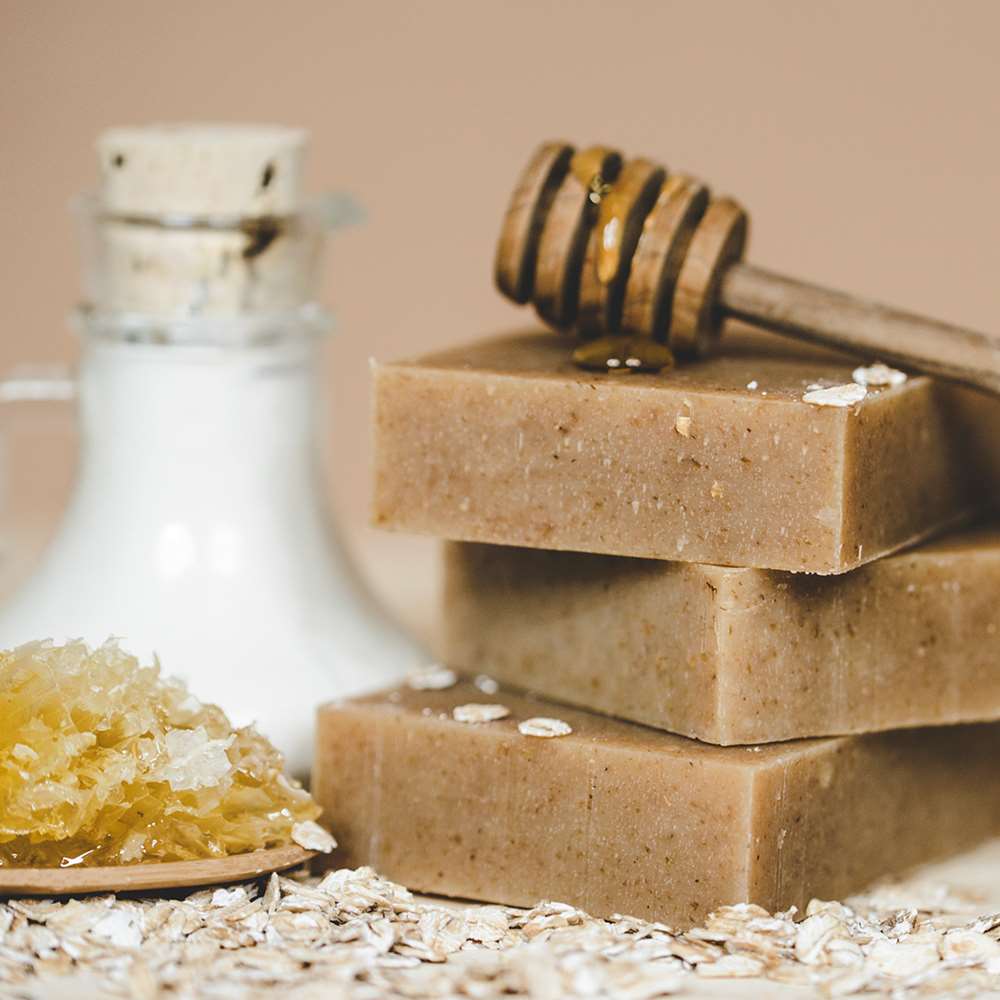
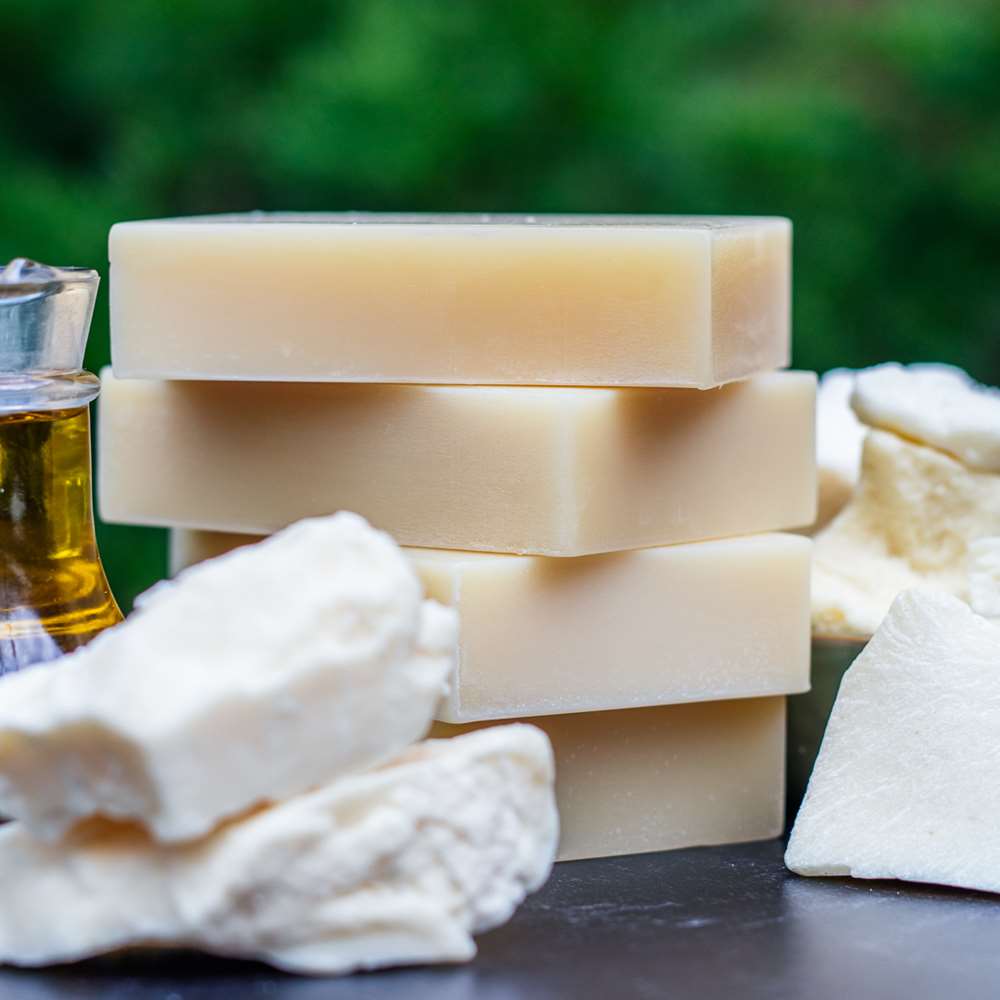

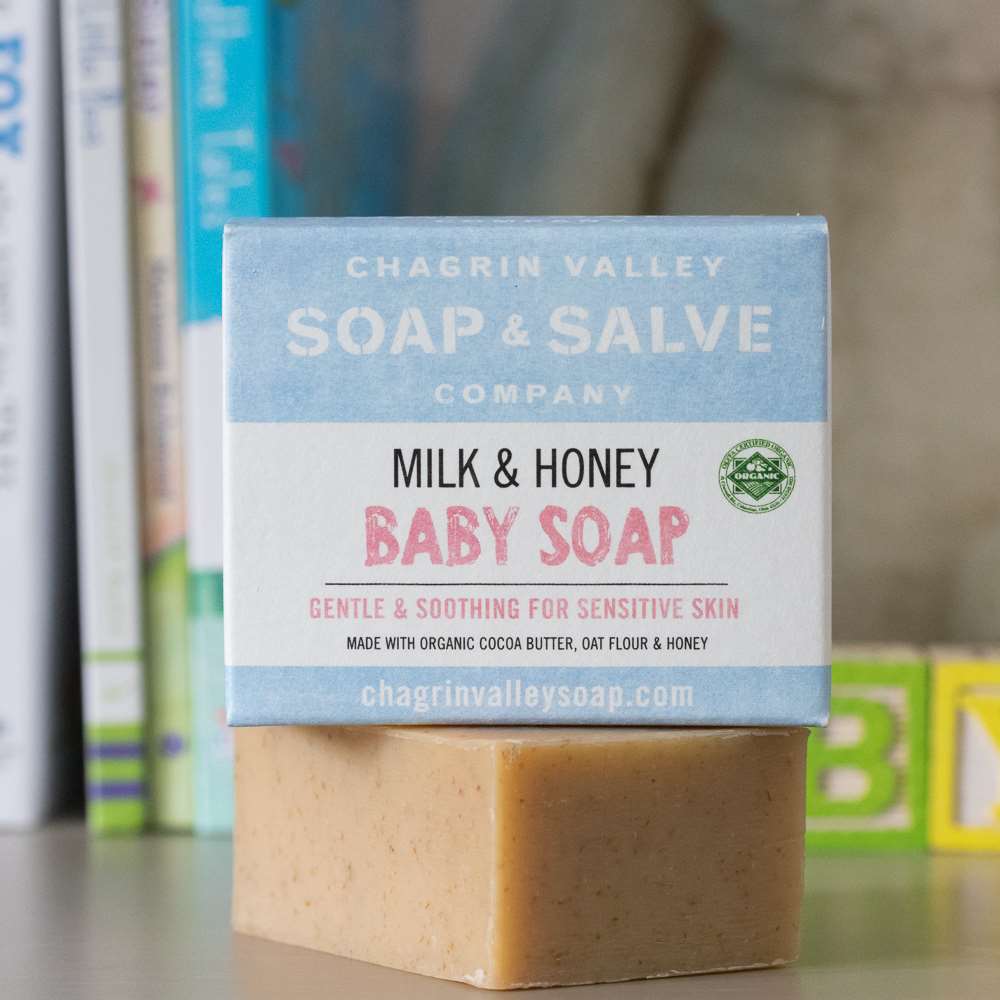
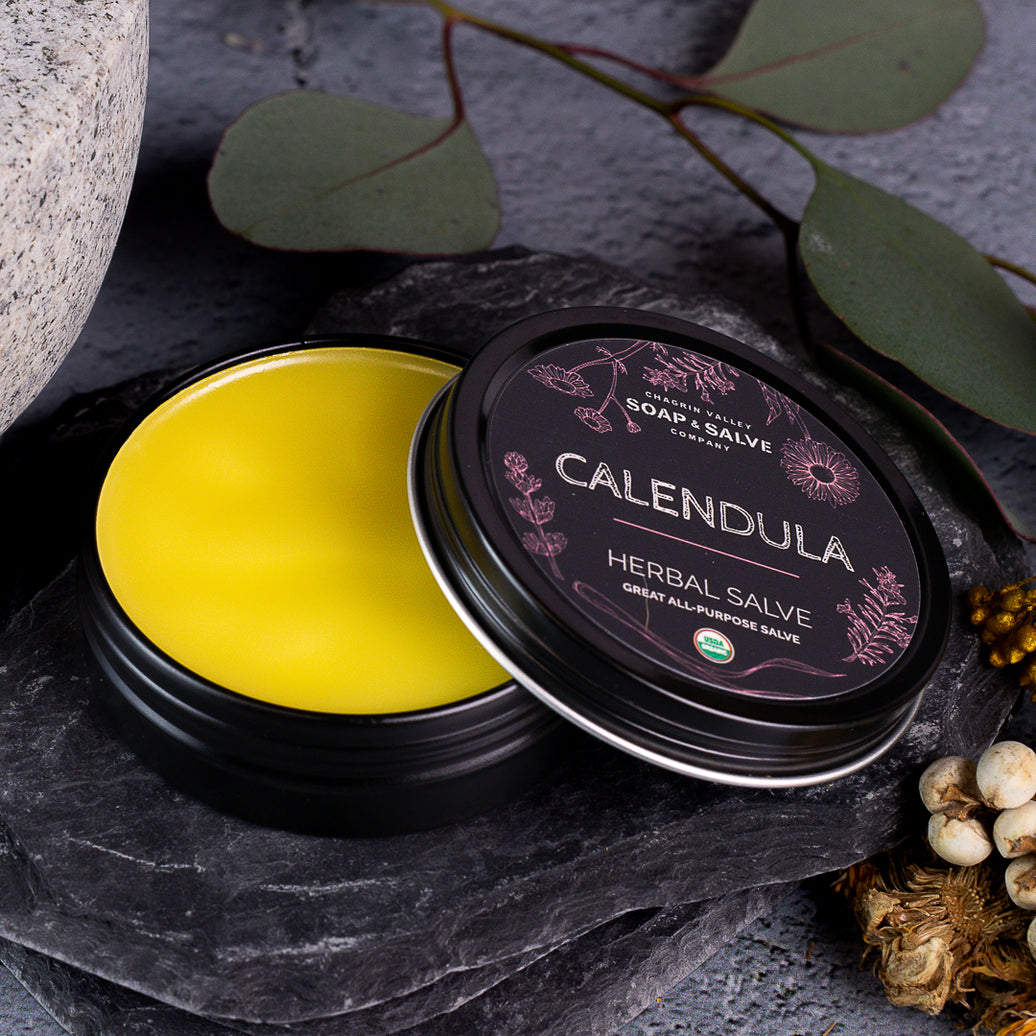
Our products have always, and will always, contain
nothing but natural and organic ingredients.
USDA certified organic, sustainably produced,
cruelty-free and ethically traded.
We are mindful of our social responsibilities, prioritize sustainability and conservation, work to reduce our negative environmental impact, and support green initiatives in our community.

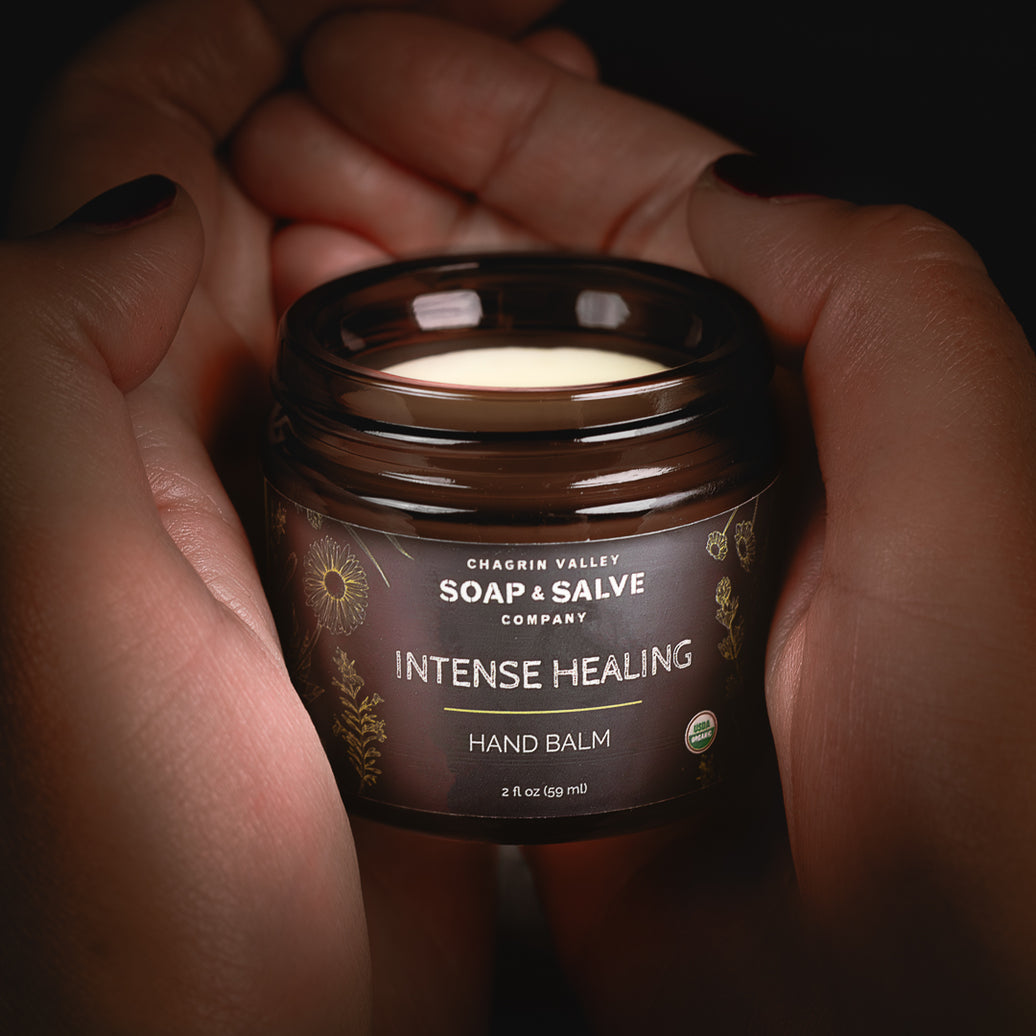
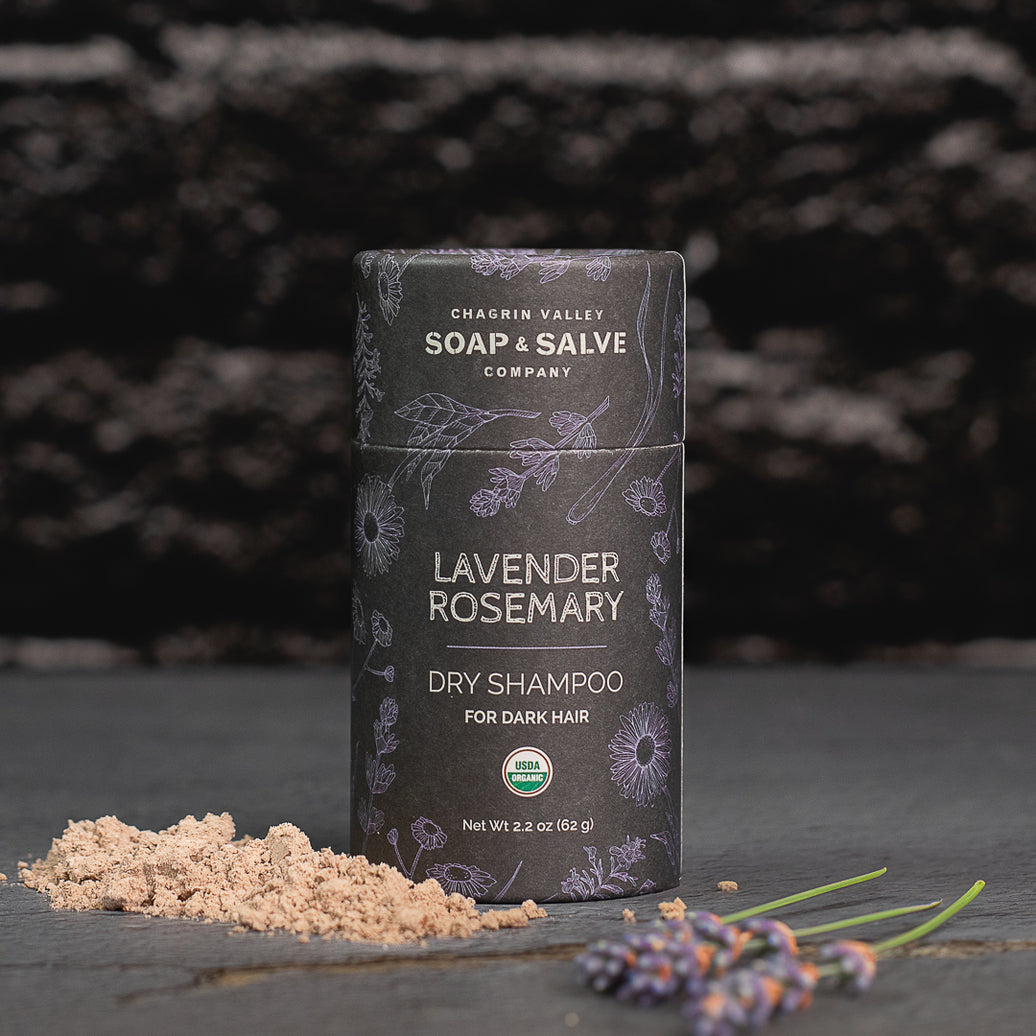
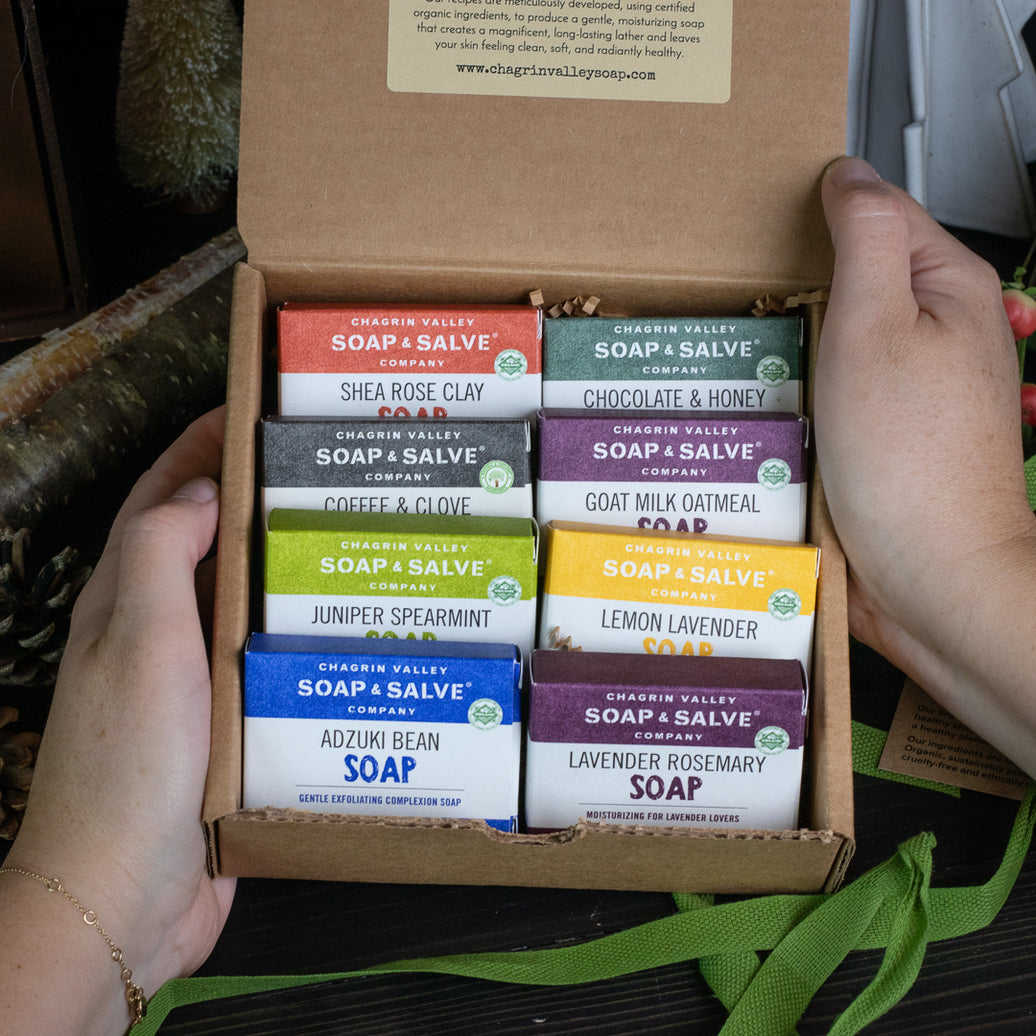
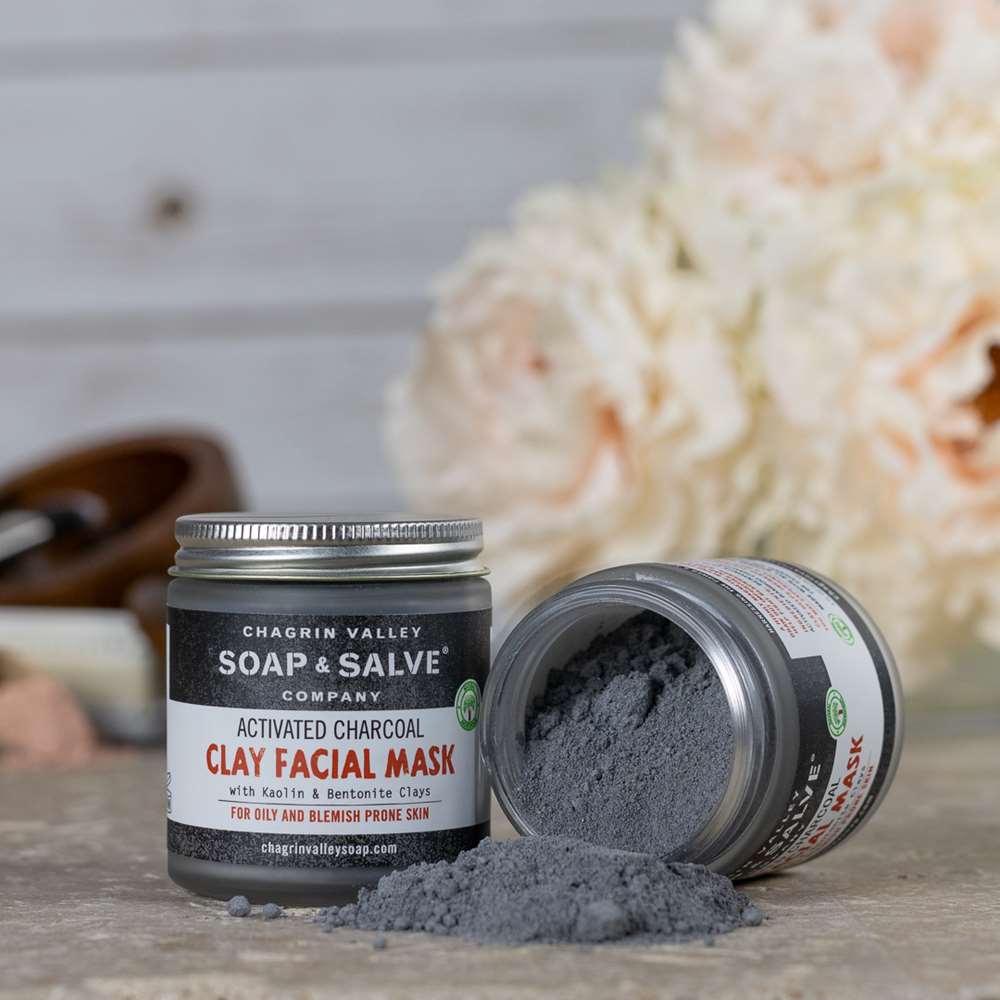
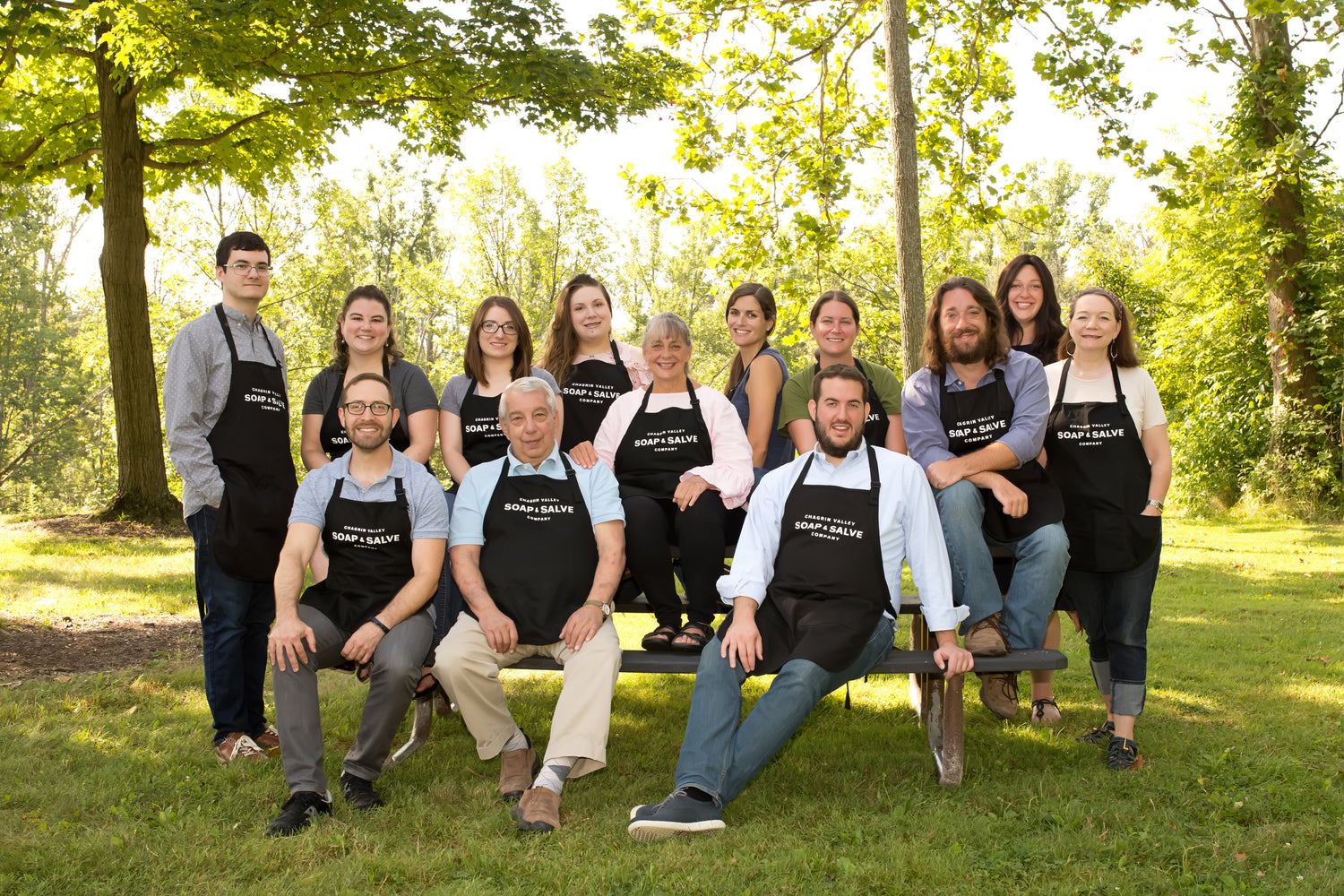
Our small family-owned company began in Ida’s kitchen in 2001.
Questioning the number of synthetic ingredients in commercial skincare products and the possible adverse effects of these chemicals on us, our children, and our planet, Ida set out to create wholesome, natural products that will nourish our skin and be kind to our planet.
As our business grew and the dream became a reality we never lost sight of our vision to create a truly natural, authentic skin care brand.

One of nature's most awesome sights will be happening in North America on April 8, 2024, a total solar eclipse. What is a Solar Eclipse? How does it occur? What will you see? Explore this blog to learn about a total solar eclipse.
Read Post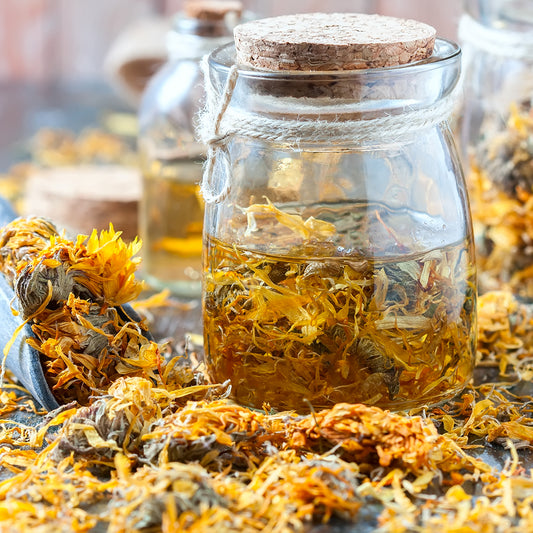
How did we care for our skin before the creation of commercial skin care products made with synthetic ingredients? We looked to nature! Slowly steeping herbs into oil transfers the healing properties, scent, and color to the oil and is one of the oldest forms of medicine-making.
Read Post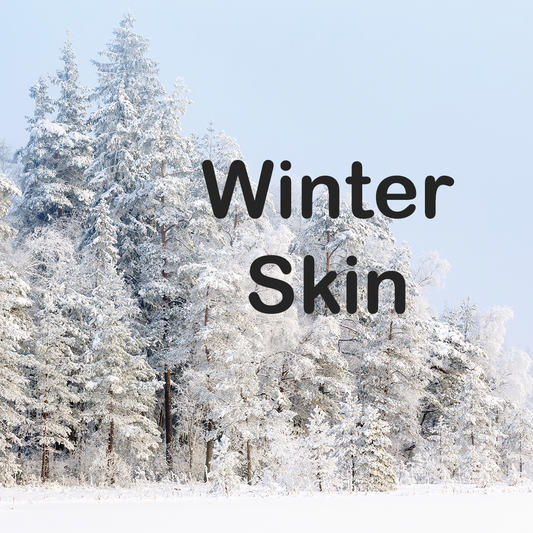
There are many wonderful things about winter, but the cold dry, windy air outside combined with the dry heated air inside and lower humidity drain moisture causing dry, flaky, irritated, red, or itchy skin. With a little extra TLC you can have soft smooth radiant skin all winter long.
Read Post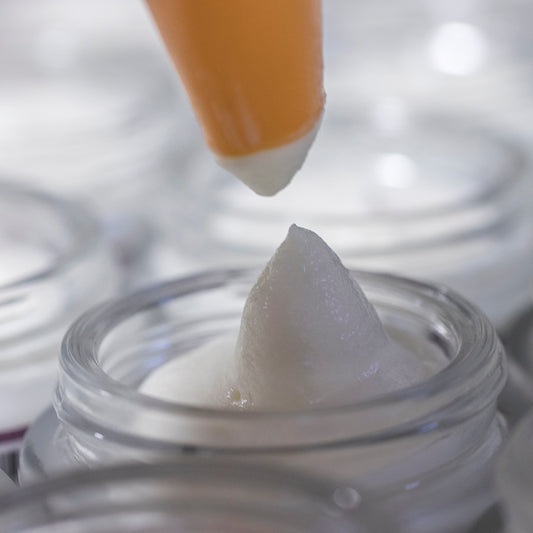
Squalene is a natural lipid (oil) found in various plant and animal sources as well as human skin oil. A light, skin-friendly oil, it works to moisturize and keep skin soft, smooth, and flexible. Squalane, often used in products to help ease eczema, dry skin, and provide wrinkle protection, is an excellent under moisturizer for all skin types.
Read Post